

Dental Implants: Step-by-Step Guide to Restore Your Smile
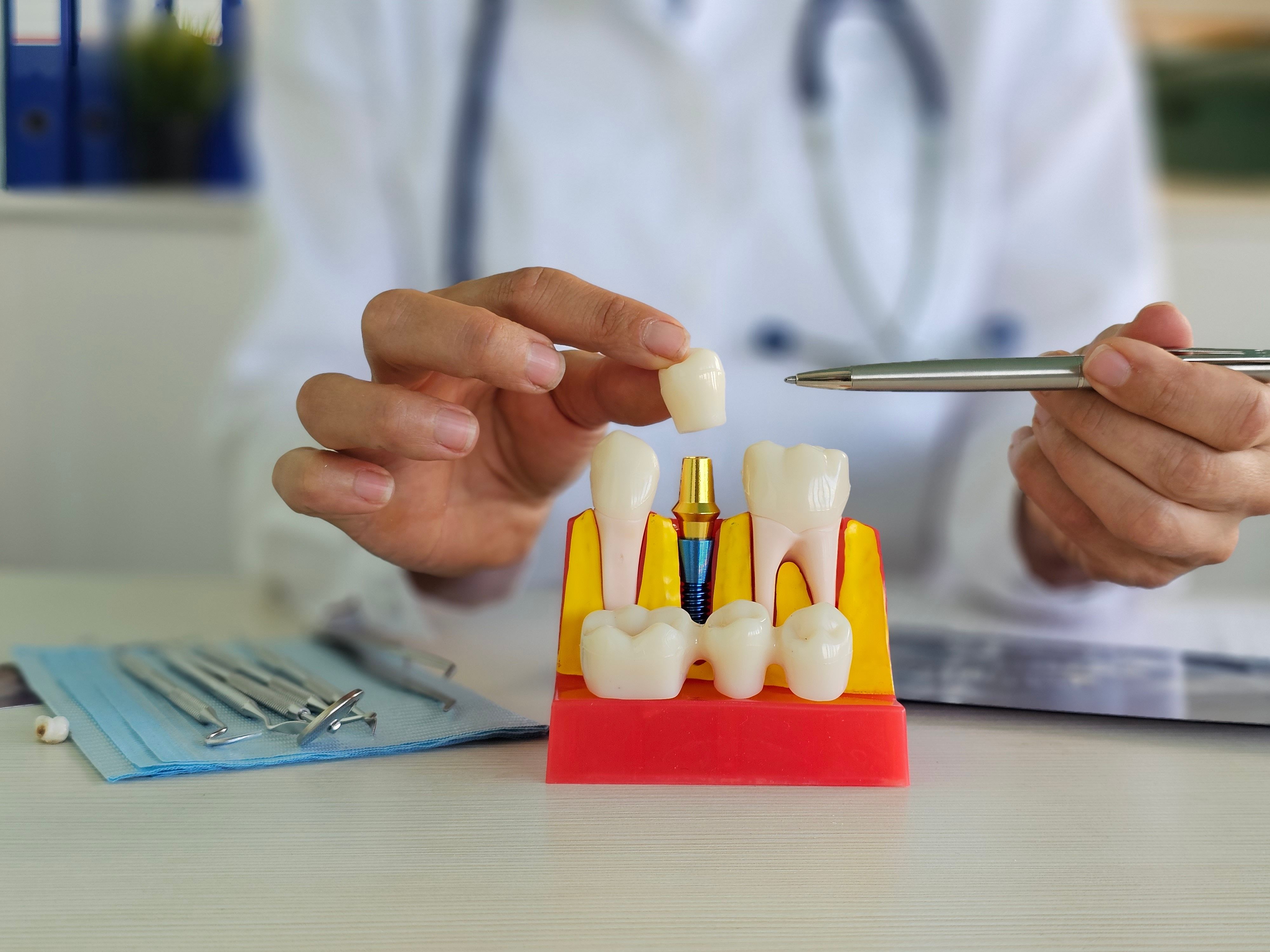
If you are missing one or more teeth, dental implants can be a life-changing solution. Among the different types of implants available, endosteal implants are the most common and effective option. They are designed to look, feel and function like your natural teeth, giving you a strong foundation for chewing, speaking and smiling with confidence.
What Are Dental Implants?
Dental implants are titanium posts that are surgically placed into the jawbone. Over time, they fuse with the bone through a process called osseointegration, creating a stable base for replacement teeth. Once healed, a crown, bridge or denture can be attached, offering a permanent and natural-looking solution.
Step 1: Initial Consultation
The first stage begins with a comprehensive consultation. Your dentist will review your oral health, medical history and suitability for implants. Diagnostic tools such as a CBCT scan are often used to assess bone density and determine whether you need any preparatory treatments, such as bone grafting.
Step 2: Treatment Planning
A personalised treatment plan is created to outline the number of implants required and the best placement for long-term stability. This plan also considers the type of restoration that will be attached once the implants have healed. Our treatment coordinators will go through your treatment plan and discuss in depth your journey and be a support to you throughout your treatment.
Step 3: Implant Placement Surgery
The implant surgery is typically carried out under local anaesthetic for your comfort. A small incision is made in the gum to expose the jawbone, and the titanium post is carefully inserted. The gum is then closed, and the healing phase begins.
Step 4: Healing and Osseointegration
This stage is crucial for the success of the implant. Over several weeks to months, the bone naturally grows around the titanium post, locking it securely into place. During this period, you may be given a temporary restoration to maintain the appearance of your smile.
Step 5: Abutment Placement
Once healing is complete, a small connector called an abutment is attached to the implant. The abutment acts as a link between the implant and the final restoration. This procedure is usually straightforward and involves a minor adjustment to the gum tissue.
Step 6: Final Restoration
The final step involves attaching a custom-made crown, bridge or denture. This restoration is designed to match the shape, size and colour of your natural teeth, blending seamlessly with your smile. With proper care, your new implant can last over a decade.
Benefits of Endosteal Implants
• Long-lasting results - Implants can last a long time with good oral care.
• Natural appearance - Crowns and bridges are designed to blend with your teeth.
• Improved function - Enjoy comfortable eating and clear speech.
• Bone preservation - Implants stimulate the jawbone, preventing bone loss.
Restore Your Smile with Confidence at Kaizen Dental
Dental implants offer a dependable and natural-looking solution for missing teeth. By replacing both the root and the visible tooth, they provide long-term stability, preserve jawbone health and restore full function to your bite. With the right care, they can give you a confident smile that lasts for years to come.
At Kaizen Dental, we combine advanced techniques with a patient-first approach to deliver lasting results. If you’re ready to explore whether endosteal implants are right for you, schedule your consultation and start your journey towards a stronger, healthier smile. Call 01858 897969 or visit www.thekaizendentalclinic.com to book your appointment in Lubenham Hill, Market Harborough, UK.




Become A New Patient Today!
Join our brand new dental practice - book now and start your journey to a healthier smile!
© 2026 Kaizen Dental. All Rights Reserved. Accessibility Statement - Privacy Policy - Updated 24/11/2025
Powered by: 