

Dental Implants vs. Bridges: Which Lasts Longer?

When replacing a missing tooth, two of the most common options are dental implants and dental bridges. Both can restore your smile, improve chewing, and help protect your oral health, but they work in different ways. For patients in Market Harborough, understanding how long each option may last can make it easier to choose the right treatment for your needs.
What Is a Dental Implant?
A Dental implant is an artificial tooth root made of biocompatible materials, such as titanium placed into the jawbone to replace the root of a missing tooth. Once the area has healed, a crown is attached to the implant to create a natural-looking replacement tooth.
Because an implant is supported by the jawbone, it does not rely on the neighbouring teeth for stability. This can make it a strong long-term option for many patients, especially when there is enough healthy bone to support the implant.

When an Implant May Be the Better Choice
A dental implant may be the preferred option when the goal is to replace a missing tooth without altering the neighbouring teeth. Implants also help stimulate the jawbone, which can be beneficial after tooth loss.
For many patients in Market Harborough, dental implants offer excellent long-term value because they are independent, stable, and designed to closely mimic the function of a natural tooth.
What Is a Dental Bridge?
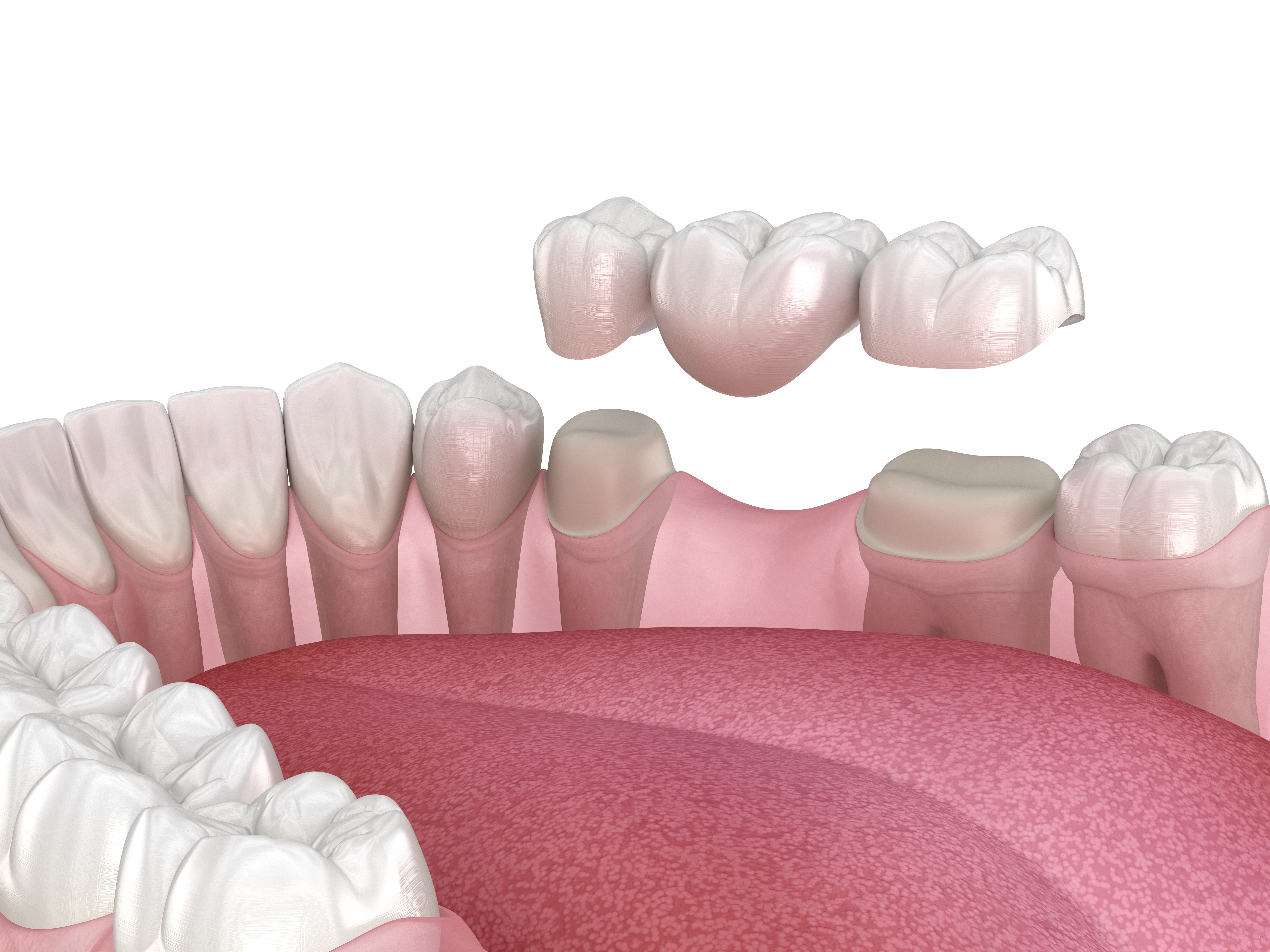
A dental bridge fills the space left by a missing tooth by using the teeth on either side for support. These supporting teeth are usually prepared and fitted with crowns, with the replacement tooth attached between them.
Dental bridges can be a reliable option for patients in Market Harborough who want to replace a missing tooth without implant surgery. They can also be helpful when the surrounding teeth already need crowns or additional support.
When a Bridge May Be the Better Choice
A dental bridge may be recommended if implant treatment is not suitable, if the surrounding teeth would benefit from crowns, or if a patient prefers a non-surgical approach. Bridges can also provide a quicker replacement option in some cases.
For patients who want a fixed solution and may not be ready for dental implants, a bridge can still offer strong function and a natural-looking result.
Which Option Usually Lasts Longer?
Dental implants are designed to last longer than bridges. With good oral hygiene, regular dental visits, and healthy bone support, an implant can last for many years. The crown attached to the implant may eventually need replacement due to normal wear, but the implant itself is often a very durable solution.
Dental bridges can also last a long time, especially when properly cared for. However, because a bridge depends on the health of the supporting teeth, issues such as decay, gum disease, or changes in bite pressure can affect its lifespan over time.
Factors That Affect How Long Treatment Lasts
The longevity of dental implants and bridges depends on more than the treatment itself. Your oral health, daily habits, and regular dental care all play a role.
Key factors include:
- How well you brush and clean between your teeth
- The health of your gums and surrounding bone
- Whether you grind or clench your teeth
- The condition of the neighbouring teeth
- Your bite alignment and chewing pressure
- How often you attend dental check-ups and hygiene visits
At Kaizen Dental in Market Harborough, we assess these details carefully before recommending a treatment option.
Choosing the Right Option for Your Smile
There is no single answer that is right for everyone. The best choice depends on your oral health, bone support, budget, timeline, and personal preferences. A consultation allows us to examine your teeth, discuss your goals, and explain whether dental implants, bridges, or another restorative option may be most suitable.
To learn more about dental implants and bridges, contact Kaizen Dental in Market Harborough today and book your consultation or call 01858 897969.




Become A New Patient Today!
Join our brand new dental practice - book now and start your journey to a healthier smile!
© 2026 Kaizen Dental. All Rights Reserved. Accessibility Statement - Privacy Policy - Updated 24/11/2025
Powered by: 