

Do You Have Enough Jawbone for Dental Implants? Bone Grafting Explained by our Market Harborough Dental Practice
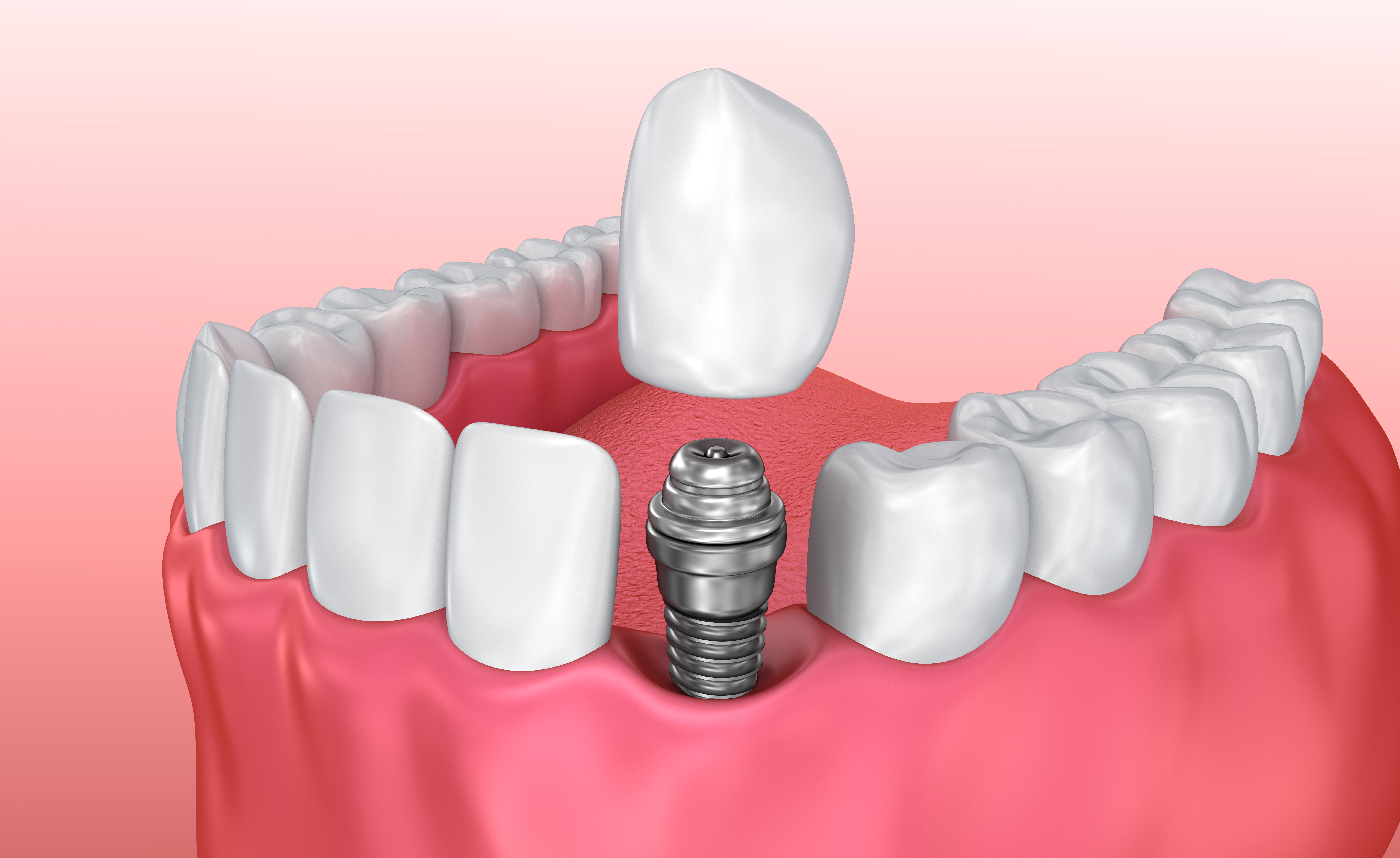
Dental implants are a reliable option for replacing missing teeth, but successful treatment depends on having enough healthy jawbone to support them. If your jawbone has weakened or deteriorated, bone grafting may help prepare it for implant placement. At Kaizen Dental on Lubenham Hill in Market Harborough, we assess your oral health and bone structure to determine the most suitable treatment for your smile.
Why Is Jawbone Important for Dental Implants?
Dental implants are small titanium posts placed into the jawbone to support replacement teeth. Over time, the implant integrates with the surrounding bone, creating a stable foundation for a crown, bridge, or denture.
However, when the jawbone lacks sufficient height, width, or density, placing an implant can be more challenging. Bone grafting may help rebuild the area, providing additional support for future implant treatment.
What Causes Jawbone Loss?
Jawbone loss can develop gradually, particularly after losing natural teeth. Without stimulation from tooth roots, the surrounding bone begins to shrink.
Several factors can contribute to insufficient jawbone for dental implants:
• Missing Teeth: Prolonged tooth loss can cause the jawbone to deteriorate.
• Gum Disease: Advanced periodontal disease can damage the bone supporting your teeth.
• Dental Infections: Untreated infections may affect the surrounding bone structure.
• Trauma or Injury: Previous injuries can result in bone loss or changes to the jaw.
If you have experienced any of these conditions, our Implantologist in Market Harborough can assess whether your jawbone is suitable for dental implants.
What Is Dental Bone Grafting?
Bone grafting is a procedure designed to rebuild areas of the jaw where bone has been lost. It involves placing grafting material into the affected area to encourage new bone formation.
The grafting material may come from your own body, a donor source, an animal-derived source, or a synthetic substitute. We consider your individual needs when discussing suitable options. As the area heals, new bone develops around the graft, potentially creating a stronger foundation for dental implants.
What Happens During the Bone Grafting Procedure?
Before recommending bone grafting, we examine your teeth, gums, and jawbone. Dental CBCT scan will be used to assess the available bone and plan treatment.
During the procedure, local anaesthetic is used to numb the area. The grafting material is carefully placed where additional bone support is required.
Healing generally takes several months, although recovery varies depending on the graft's size, location, and individual healing response. In some cases, dental implants can be placed alongside bone grafting. Others require the graft to heal before implant placement.
Do You Need Bone Grafting Before Dental Implants?
Not everyone with missing teeth needs bone grafting. Some patients have sufficient jawbone for implant placement without additional procedures. At Kaizen Dental, we evaluate your bone structure, oral health, and treatment goals before recommending a personalised approach. We also discuss alternative options when appropriate.
If you are considering dental implants but are concerned about jawbone loss, contact Kaizen Dental to find out whether bone grafting could help prepare your jaw for dental implants. Contact our team in Market Harborough to book your consultation, or call us on 01858 897969 today.




Become A New Patient Today!
Join our brand new dental practice - book now and start your journey to a healthier smile!
© 2026 Kaizen Dental. All Rights Reserved. Accessibility Statement - Privacy Policy - Updated 24/11/2025
Powered by: 