

How Often Should You Go to the Dentist?
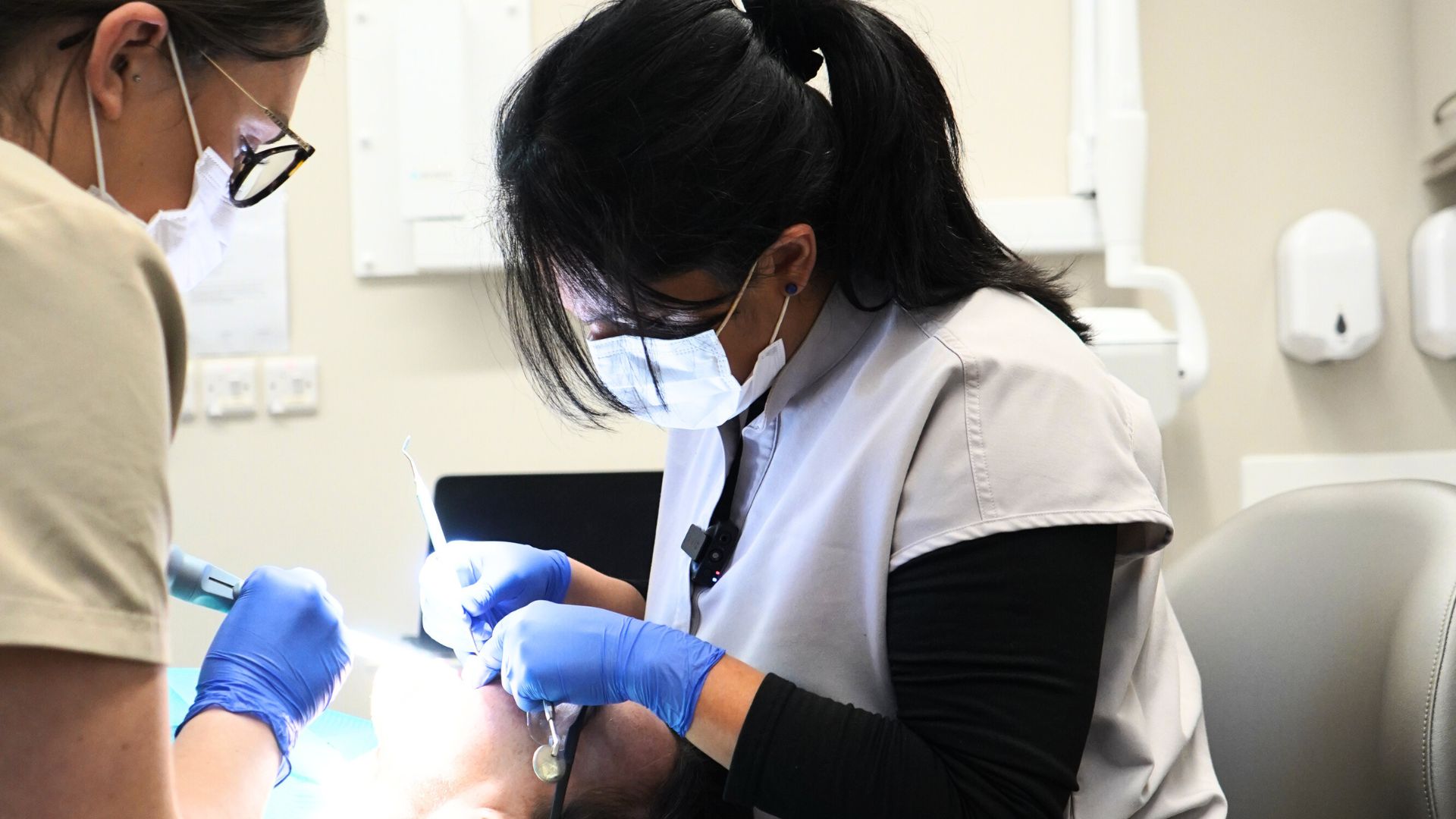
Why Regular Check-Ups Matter
As dentists, one of the most common questions we hear is, “How often do I really need to come in?” Every patient who sits in the chair has a different story, different worries, and different needs. That’s why there isn’t one simple answer to how often you should visit the dentist.
For some people, six-monthly check-ups are perfect. For others, especially those with gum disease, a history of dental problems, or certain medical conditions, more regular visits may be needed. What matters most is what’s right for you.
Many dental problems don’t cause pain in the early stages, which can make it easy to put appointments off. We often hear, “Nothing hurts, so I thought everything was fine.” But tooth decay and gum disease can develop quietly, long before you feel any discomfort. Regular check-ups allow us to spot small changes early and take action before they turn into bigger problems.
A Calm, Caring Dental Experience at Kaizen Dental
At Kaizen Dental in Market Harborough, we pride ourselves on creating an environment where you feel comfortable, relaxed, and truly cared for from the moment you walk in. For some patients, dental anxiety can be as real and powerful as any other fear, so we take the time to listen, explain each step clearly, and make sure you’re never rushed or made to feel self-conscious.
Many patients tell us they’ve never experienced dentistry this way before — that the team was kind, reassuring, and genuinely attentive to their worries.
“Visiting the dentist is usually anxiety inducing for me, but today at Kaizen it was such a different experience. I was offered a drink upon arrival, and the waiting area is such a calming space. I booked in for a hygienist appointment as a non-patient (and immediately signed up to be a patient after the experience)… Such a calming and positive experience. Thank you so much and look forward to visiting again. The start of a new journey for my smile.”
The Importance of Regular Hygiene Appointments
Gum health is one of the biggest factors in deciding how often you should be seen. Healthy gums don’t bleed, feel sore, or look swollen, but when gum disease begins, the signs can be subtle. If left untreated, it can damage the bone that supports your teeth, leading to loose teeth and, in some cases, tooth loss.
Hygiene appointments are just as important as check-ups, even for patients who brush and floss well at home. Professional cleaning removes hardened plaque that can’t be reached with a toothbrush alone. When hygiene visits are missed, plaque builds up, gums become inflamed, and problems can quietly progress.
How Crooked or Crowded Teeth Affect Your Oral Health
We also care about the things patients don’t always realise can affect their oral health, such as crooked or crowded teeth. Teeth that aren’t straight can be harder to clean properly, increasing the risk of decay and gum disease.
They can also cause uneven pressure when biting, leading to tooth wear, jaw discomfort, or headaches. Straight teeth aren’t just about appearance — they help make your mouth easier to care for and support long-term dental health.
We know some patients worry about being judged if they’ve missed appointments. Please know that your wellbeing is always our priority. Whether it’s been six months or several years, we’re here to help — gently, honestly, and at your pace.
If you’d like to know what to expect, click here to see what a visit to Kaizen Dental looks like.
Book your dental check-up today or call us on 01858 897 969.
FAQs
How often should I really visit the dentist?
For most people, every six months is ideal, but this can vary. Your dental history, gum health, risk of decay, and general health all play a role. Some patients may only need annual check-ups, while others benefit from more frequent visits.
What happens during a routine dental check-up?
At Kaizen Dental, check-ups last up to one hour. We examine your teeth, assess gum health, screen for oral cancer, and look for signs of wider health conditions, including indicators linked to diabetes.
How often should I have a hygiene appointment?
This depends on your gum health. Many patients benefit from hygiene visits every 3–6 months, especially if they’re prone to gum disease.
I have gum disease — does that mean I need to come more often?
Yes. Gum disease can be managed very effectively with regular care, but without monitoring, it can progress and affect tooth stability.
Can crooked or crowded teeth affect my dental health?
Yes. Misaligned teeth are harder to clean and can increase the risk of decay, gum disease, uneven wear, jaw discomfort, and headaches.




Become A New Patient Today!
Join our brand new dental practice - book now and start your journey to a healthier smile!
© 2026 Kaizen Dental. All Rights Reserved. Accessibility Statement - Privacy Policy - Updated 24/11/2025
Powered by: 